Herbs
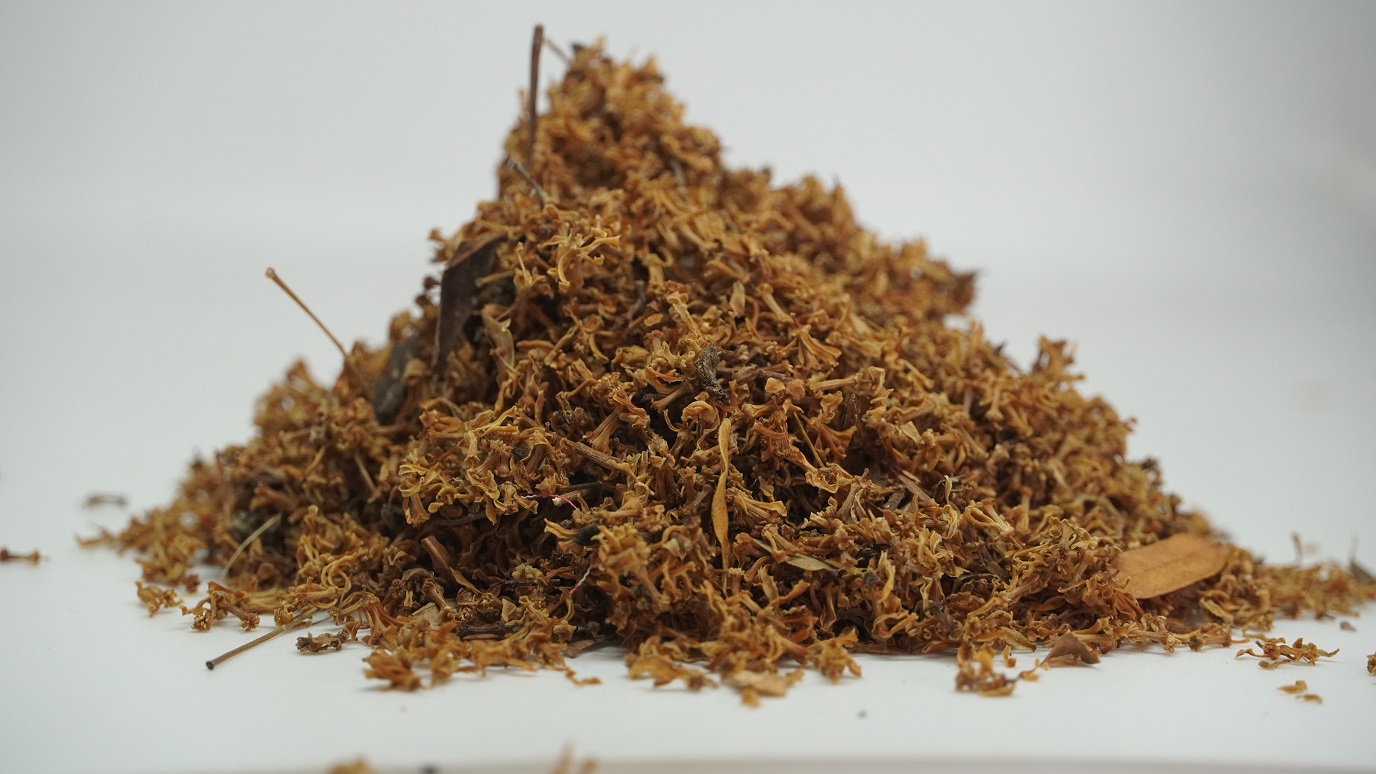
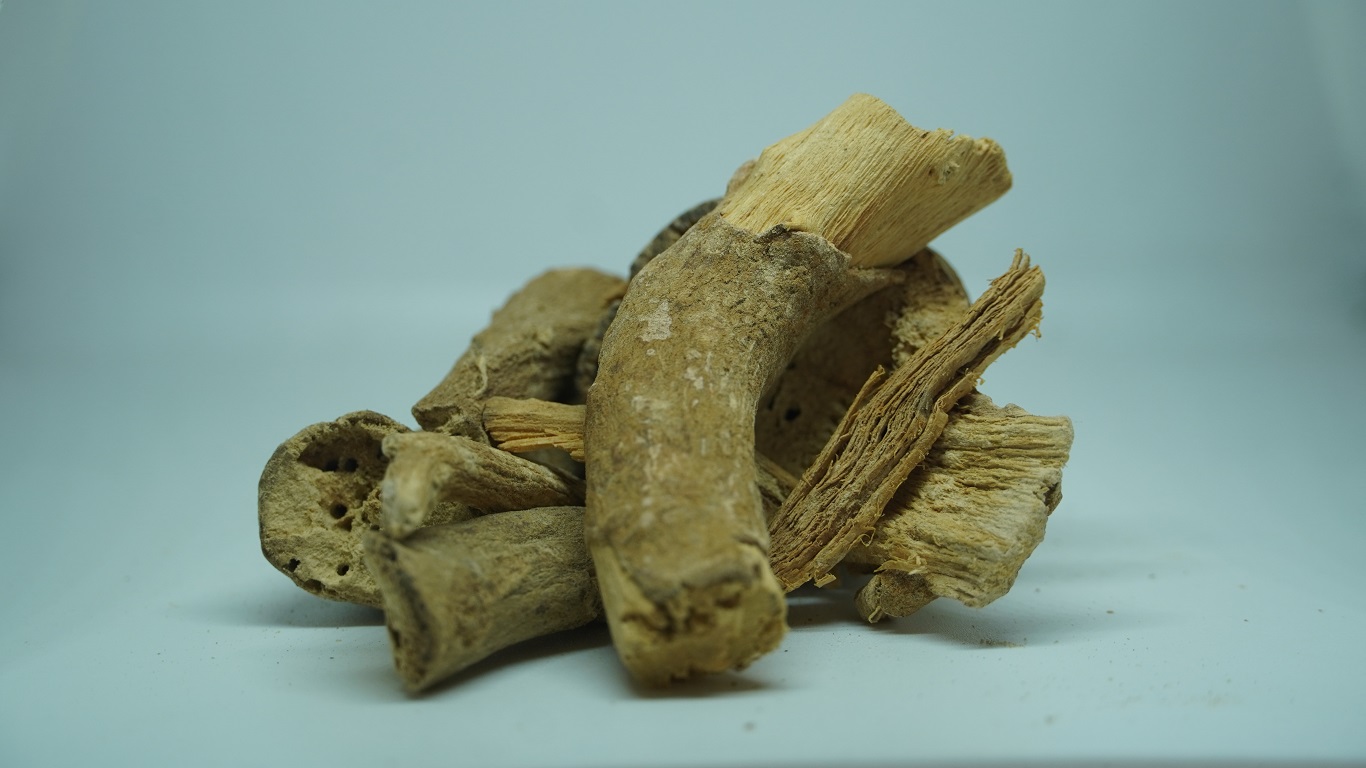
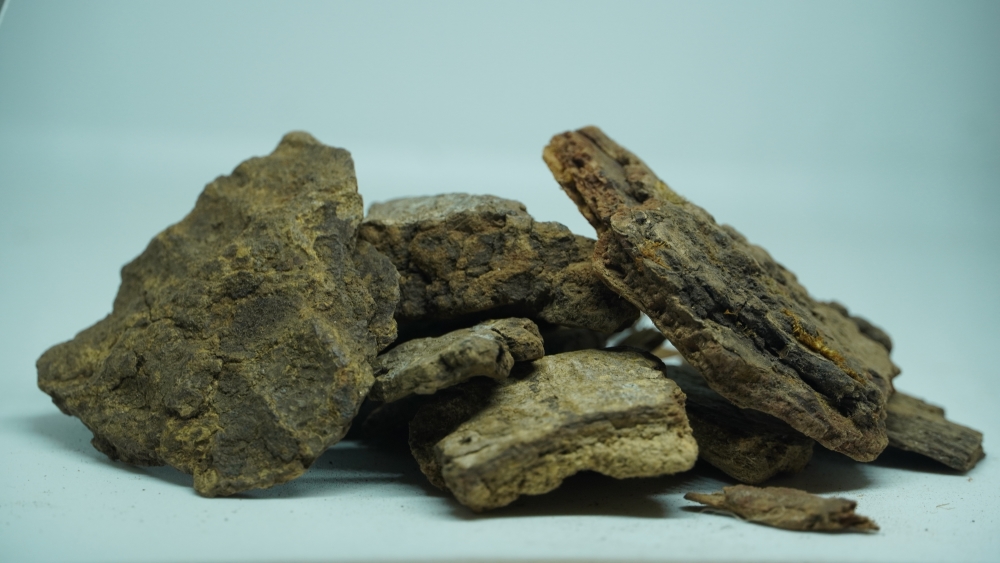
AALAM PATTAI - FICUS BENGHALENSIS / ஆலமர பட்டை (वट वृक्ष की छाल)
SKU: THO-041
1.THOGAI BRAND IS THE PRODUCT ORIENTED COMPANY, WE ARE GETTING THE PRODUCTS DIRECTLY FROM FARMERS.SO ITS NOT SUBJECTED TO ANY FILTERATION BECAUSE OF LOOSING ORIGINALITY.ITS 100% ORGANIC, NON-GMO (NON-GENETICALLY MODIFIES ORGANISM) AND 100% VEGEN.
2.WHAT IS IT: BANYAN TREE IS A HUGE TREE WITH VERY EXTENSIVE BRANCHES. IT IS A EVERGREEN TREE. IT BRANCHES THE LEAVES ARE 10 -20 CM LONG AND HAS MANY AERIAL ROOTS.
3.WHOM WILL USE: IT’S A UNISEX (BOTH MEN AND WOMEN) CONSUMABLE PRODUCT
4.HOW TO USE: TAKE 5 GRAM OF PATTAI MIX WITH 3 CUP OF BOILING WATER AND EVAPORATE IT INTO ¾ CUP OF WATER AND CONSUME IT DAILY DAY AND NIGHT (AFTER FOOD). ALSO CONSUME T IN POWDER FORMAT.TAKE 5 GRAM OF POWDER MIX WITH HONEY AND CONSUME IT.
5.WHAT HAPPENED TO USE IT: GOOD FOR DIGESTION AND CURE DYSENTERY PROBLEMS.ALSO ACTS LIKE ANTI OXIDANTS.
6.SIDE EFFECTS: PROVERB-TOO MUCH OF ANYTHING IS GOOD FOR NOTHING. OVERDOSAGE MAY LEAD TO STOMACH PROBLEMS. IF THERE IS ANY DOUBTS/PREGNANCY WOMENS, SHOULD BE TAKEN UNDER MEDICAL SUPERVISION.
7.NOTE: ABOVE MENTION THAT, THESE PRODUCTS ARE NOT SUBJECTED TO ANY FILTERATION SO MAY BE SOME DUST IN THE PRODUCTS; SHOULD CLEAN THE PRODUCTS BEFORE USUAGE OF IT. THERE IS ANY ALLERGIES ALREADY OCCURS; DOCTOR GUIDANCE MUST.
8.SIDE EFFECTS: PROVERB-TOO MUCH OF ANYTHING IS GOOD FOR NOTHING. THERE ARE NO MAJOR SIDE EFFECTS REPORTED WITH THE USE OF THS. IF THERE IS ANY DOUBTS/PREGNANCY WOMENS, SHOULD BE TAKEN UNDER MEDICAL SUPERVISION.
2.WHAT IS IT: BANYAN TREE IS A HUGE TREE WITH VERY EXTENSIVE BRANCHES. IT IS A EVERGREEN TREE. IT BRANCHES THE LEAVES ARE 10 -20 CM LONG AND HAS MANY AERIAL ROOTS.
3.WHOM WILL USE: IT’S A UNISEX (BOTH MEN AND WOMEN) CONSUMABLE PRODUCT
4.HOW TO USE: TAKE 5 GRAM OF PATTAI MIX WITH 3 CUP OF BOILING WATER AND EVAPORATE IT INTO ¾ CUP OF WATER AND CONSUME IT DAILY DAY AND NIGHT (AFTER FOOD). ALSO CONSUME T IN POWDER FORMAT.TAKE 5 GRAM OF POWDER MIX WITH HONEY AND CONSUME IT.
5.WHAT HAPPENED TO USE IT: GOOD FOR DIGESTION AND CURE DYSENTERY PROBLEMS.ALSO ACTS LIKE ANTI OXIDANTS.
6.SIDE EFFECTS: PROVERB-TOO MUCH OF ANYTHING IS GOOD FOR NOTHING. OVERDOSAGE MAY LEAD TO STOMACH PROBLEMS. IF THERE IS ANY DOUBTS/PREGNANCY WOMENS, SHOULD BE TAKEN UNDER MEDICAL SUPERVISION.
7.NOTE: ABOVE MENTION THAT, THESE PRODUCTS ARE NOT SUBJECTED TO ANY FILTERATION SO MAY BE SOME DUST IN THE PRODUCTS; SHOULD CLEAN THE PRODUCTS BEFORE USUAGE OF IT. THERE IS ANY ALLERGIES ALREADY OCCURS; DOCTOR GUIDANCE MUST.
8.SIDE EFFECTS: PROVERB-TOO MUCH OF ANYTHING IS GOOD FOR NOTHING. THERE ARE NO MAJOR SIDE EFFECTS REPORTED WITH THE USE OF THS. IF THERE IS ANY DOUBTS/PREGNANCY WOMENS, SHOULD BE TAKEN UNDER MEDICAL SUPERVISION.
₹128.00
₹179.00
28% OFF
Quantity:
1
Buy Now
Free delivery on orders above ₹500
100% natural & organic — no additives