Herbs
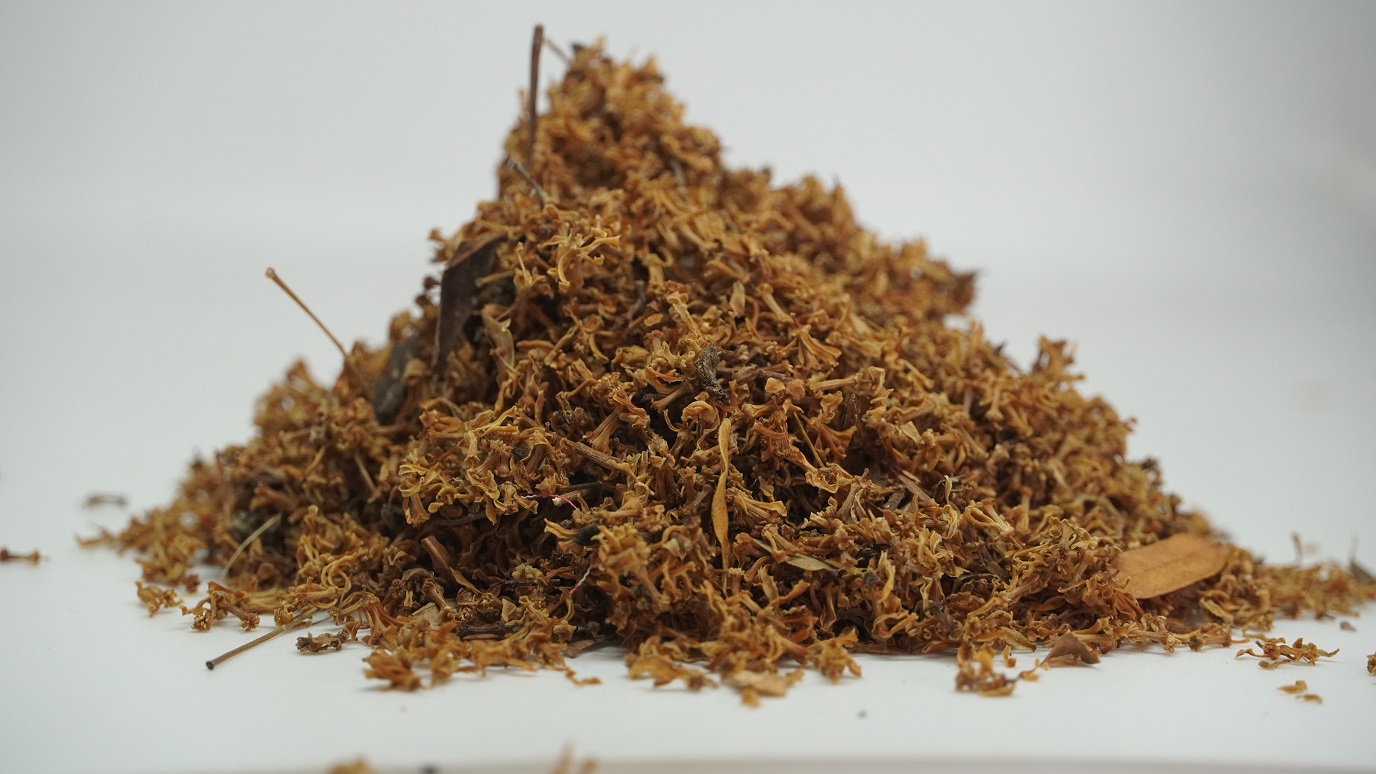
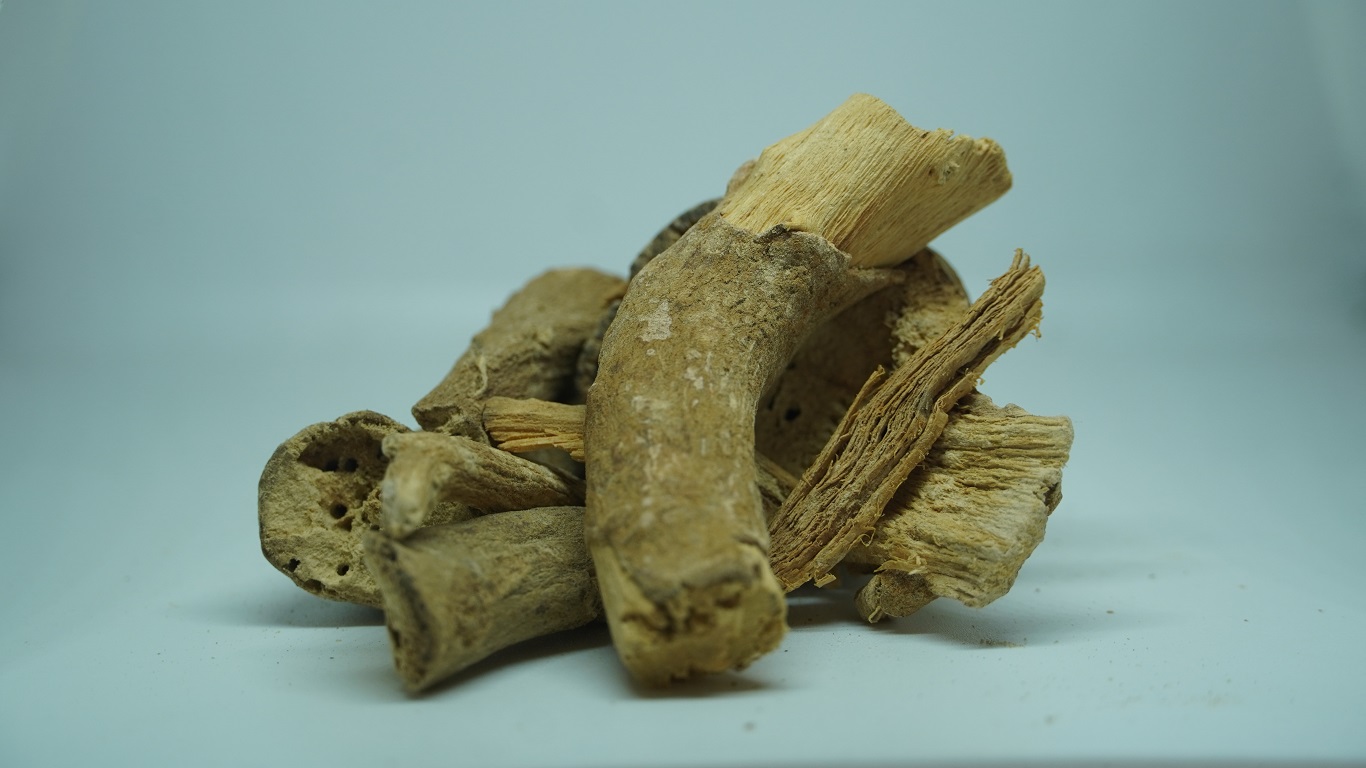
BASIL SEEDS - சப்ஜா விதை / SABJA SEEDS / OCIMUM BASILICUM / SWEET BASIL SEEDS / திருநீற்றுப்பச்சிலை விதை
SKU: THO-029
1.THOGAI BRAND IS THE PRODUCT ORIENTED COMPANY, WE ARE GETTING THE PRODUCTS DIRECTLY FROM FARMERS.SO ITS NOT SUBJECTED TO ANY FILTERATION BECAUSE OF LOOSING ORIGINALITY.ITS 100% ORGANIC, NON-GMO (NON-GENETICALLY MODIFIES ORGANISM) AND 100% VEGEN.
2.WHAT IS IT: BASIL SEED IS THE GENERAL TERM USED TO REFER TO THE SEEDS OF A FEW SPECIES OF HERB PLANTS. SABJA OR TUKMARIA SEEDS ARE BASIL SEEDS IN ENGLISH. THEY HAVE A LONG HISTORY OF USE IN AYURVEDIC AND CHINESE MEDICINE.
3.WHOM WILL USE: IT’S A UNISEX (BOTH MEN AND WOMEN) CONSUMABLE PRODUCT
4.HOW TO USE: TAKE ½ SPOON OF SABJA SEEDS AND SOAKED IT INTO WATER, OVERNIGHT.NEXT DAY MORNING WE WILL MIX IT INTO MILK/LEMON JUICE AND CONSUME IT.
5.WHAT HAPPENED TO USE IT: MAINLY USED FOR REDUCE BODY HEAT AND IMPROVE NUTRITIONS.
6.SIDE EFFECTS: PROVERB-TOO MUCH OF ANYTHING IS GOOD FOR NOTHING. TAKING OVER SABJA SEEDS MAY LEAD TO DIARRHOEA, VOMITING, NAUSEA, ACNE, ACID REFLUX, HEADACHE. IF THERE IS ANY DOUBTS/PREGNANCY WOMENS, SHOULD BE TAKEN UNDER MEDICAL SUPERVISION.
7.THE ABOVE STATEMENTS ARE NOT EVALUATED BY ANY GOVERNMENT ORGANISATIONS.THE ABOVE HINTS AND GUIDANCE ARE TAKEN FROM SIDDHA BOOK.
8.NOTE: ABOVE MENTION THAT, THESE PRODUCTS ARE NOT SUBJECTED TO ANY FILTERATION SO MAY BE SOME DUST IN THE PRODUCTS; SHOULD CLEAN THE PRODUCTS BEFORE USUAGE OF IT. THERE IS ANY ALLERGIES ALREADY OCCURS; DOCTOR GUIDANCE MUST.
2.WHAT IS IT: BASIL SEED IS THE GENERAL TERM USED TO REFER TO THE SEEDS OF A FEW SPECIES OF HERB PLANTS. SABJA OR TUKMARIA SEEDS ARE BASIL SEEDS IN ENGLISH. THEY HAVE A LONG HISTORY OF USE IN AYURVEDIC AND CHINESE MEDICINE.
3.WHOM WILL USE: IT’S A UNISEX (BOTH MEN AND WOMEN) CONSUMABLE PRODUCT
4.HOW TO USE: TAKE ½ SPOON OF SABJA SEEDS AND SOAKED IT INTO WATER, OVERNIGHT.NEXT DAY MORNING WE WILL MIX IT INTO MILK/LEMON JUICE AND CONSUME IT.
5.WHAT HAPPENED TO USE IT: MAINLY USED FOR REDUCE BODY HEAT AND IMPROVE NUTRITIONS.
6.SIDE EFFECTS: PROVERB-TOO MUCH OF ANYTHING IS GOOD FOR NOTHING. TAKING OVER SABJA SEEDS MAY LEAD TO DIARRHOEA, VOMITING, NAUSEA, ACNE, ACID REFLUX, HEADACHE. IF THERE IS ANY DOUBTS/PREGNANCY WOMENS, SHOULD BE TAKEN UNDER MEDICAL SUPERVISION.
7.THE ABOVE STATEMENTS ARE NOT EVALUATED BY ANY GOVERNMENT ORGANISATIONS.THE ABOVE HINTS AND GUIDANCE ARE TAKEN FROM SIDDHA BOOK.
8.NOTE: ABOVE MENTION THAT, THESE PRODUCTS ARE NOT SUBJECTED TO ANY FILTERATION SO MAY BE SOME DUST IN THE PRODUCTS; SHOULD CLEAN THE PRODUCTS BEFORE USUAGE OF IT. THERE IS ANY ALLERGIES ALREADY OCCURS; DOCTOR GUIDANCE MUST.
₹99.00
₹139.00
29% OFF
Quantity:
1
Buy Now
Free delivery on orders above ₹500
100% natural & organic — no additives