Herbs
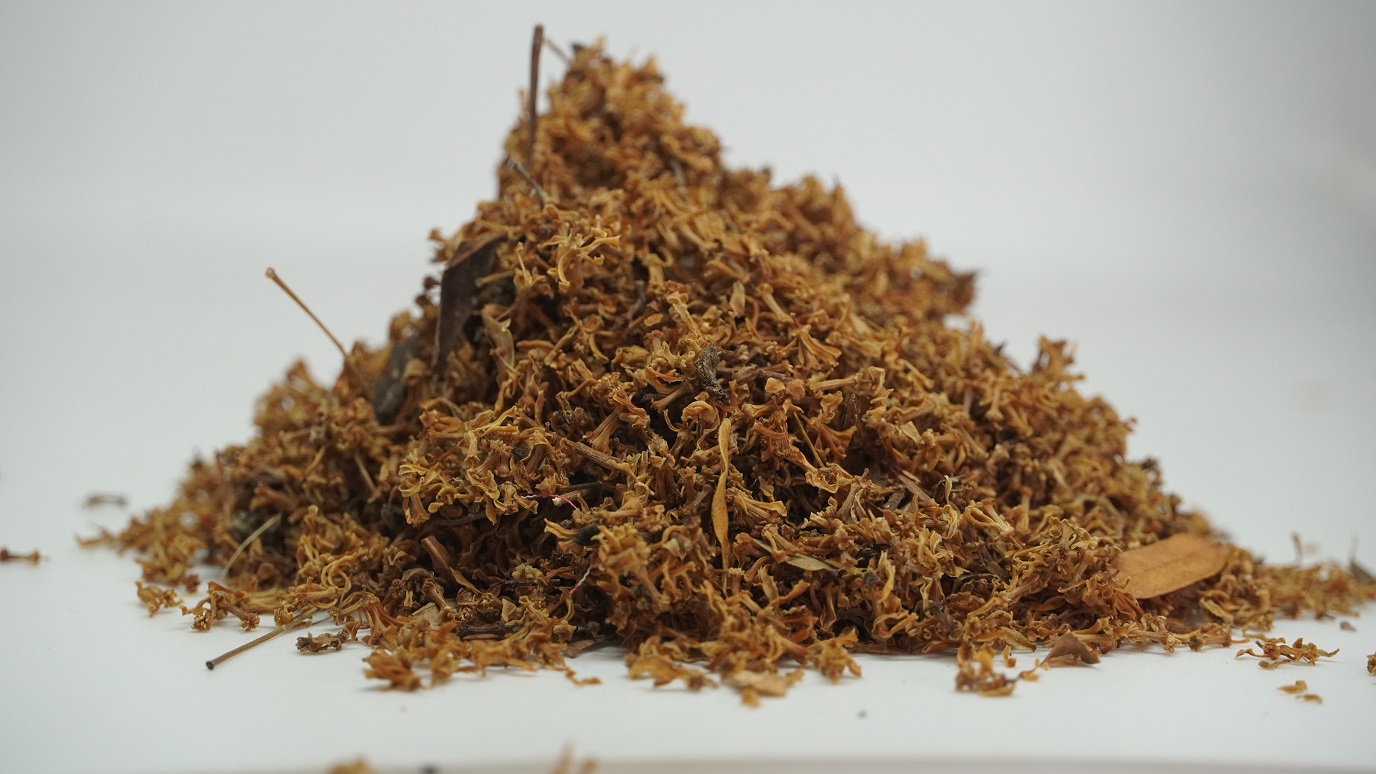
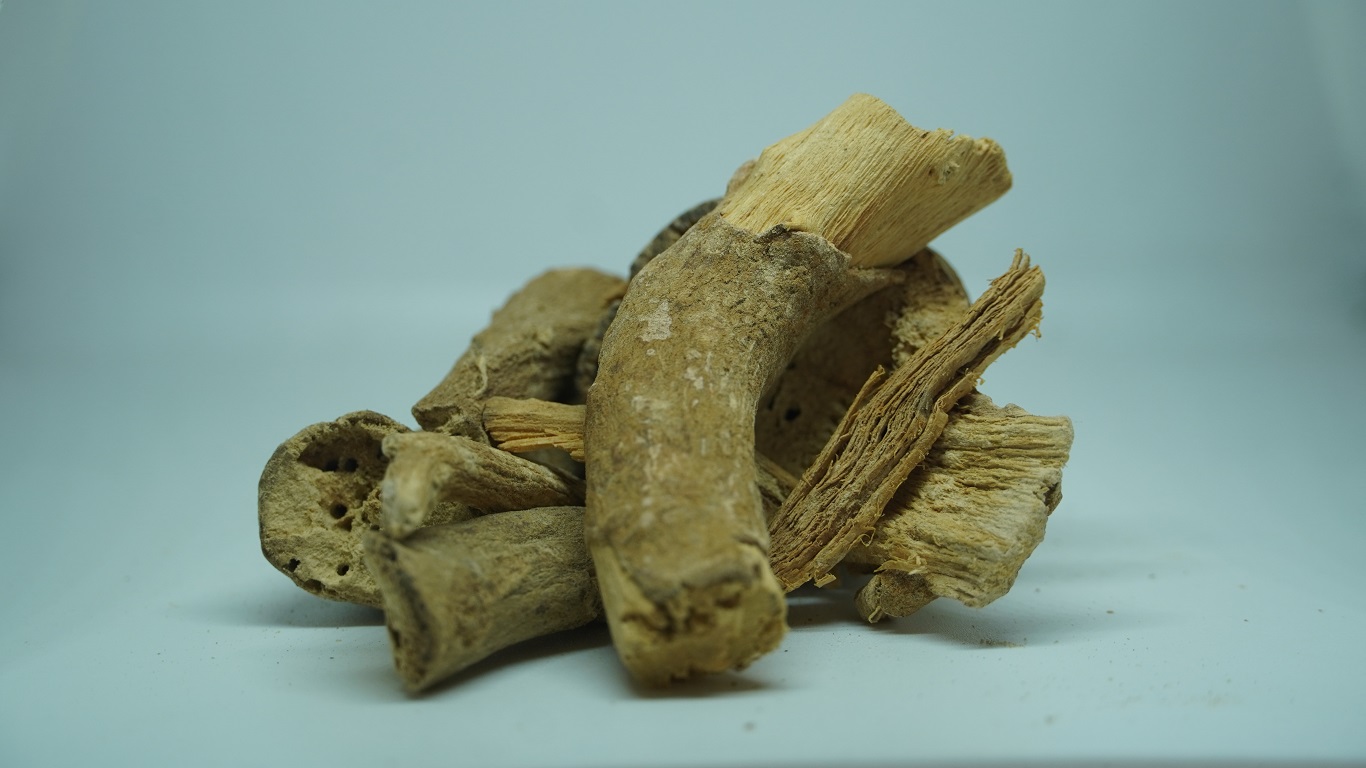
KANDAKATHIRI - கண்டங்கத்தரி(कटेली) / YELLOW FRUIT NIGHTSHADE / SOLANUM INDICUM
SKU: THO-006
1.THOGAI BRAND IS THE PRODUCT ORIENTED COMPANY, WE ARE GETTING THE PRODUCTS DIRECTLY FROM FARMERS.SO ITS NOT SUBJECTED TO ANY FILTERATION BECAUSE OF LOOSING ORIGINALITY.ITS 100% ORGANIC, NON-GMO (NON-GENETICALLY MODIFIES ORGANISM) AND 100% VEGEN.
2.WHAT IS KANDANKATHIRI: KANDANKATHIRI IS CALLED YELLOW FRUIT NIGHT-SHADE IN ENGLISH. IT IS CALLED KANTAKARI IN SANSKRIT.” KANDAM”-THROAT.BEST REMEDY FOR ALL THROAT PROBLEMS.
3.WHOM WILL USE: IT’S A UNISEX (BOTH MEN AND WOMEN) CONSUMABLE PRODUCT.
4.HOW TO USE: CONSUME IT IN POWDER FORMAT.TAKE 2 GRAMS OF POWDER MIX IT IN HONEY OR HOT WATER AND CONSUME DAILY.ALSO TAKE ITS SEEDS AND SUBJECTED TO FLAME AND PLACE THIS SMOKE TO PROPERTY TEETH (INFECTED TEETH/சொத்தை பல்), MAKES GOOD REMEDY TO THAT.
5.WHAT HAPPENED TO USE IT: BEST REMEDY FOR THROAT DISEASES LIKE THROAT PAIN, COLD, THROAT INFECTION,ETC. THAT SMOKED SEEDS HELPS TO CURE PROPERTY TEETHS.
6.SIDE EFFECTS: PROVERB-TOO MUCH OF ANYTHING IS GOOD FOR NOTHING. THERE IS NO DATA AVAILABLE ON THE SIDE EFFECTS ASSOCIATED WITH THE USE OF KANTAKARI. IF THERE IS ANY DOUBTS/PREGNANCY WOMENS, SHOULD BE TAKEN UNDER MEDICAL SUPERVISION.
7.THE ABOVE STATEMENTS ARE NOT EVALUATED BY ANY GOVERNMENT ORGANISATIONS.THE ABOVE HINTS AND GUIDANCE ARE TAKEN FROM SIDDHA BOOK.
8.NOTE: ABOVE MENTION THAT, THESE PRODUCTS ARE NOT SUBJECTED TO ANY FILTERATION SO MAY BE SOME DUST IN THE PRODUCTS; SHOULD CLEAN THE PRODUCTS BEFORE USUAGE OF IT. THERE IS ANY ALLERGIES ALREADY OCCURS; DOCTOR GUIDANCE MUST.
2.WHAT IS KANDANKATHIRI: KANDANKATHIRI IS CALLED YELLOW FRUIT NIGHT-SHADE IN ENGLISH. IT IS CALLED KANTAKARI IN SANSKRIT.” KANDAM”-THROAT.BEST REMEDY FOR ALL THROAT PROBLEMS.
3.WHOM WILL USE: IT’S A UNISEX (BOTH MEN AND WOMEN) CONSUMABLE PRODUCT.
4.HOW TO USE: CONSUME IT IN POWDER FORMAT.TAKE 2 GRAMS OF POWDER MIX IT IN HONEY OR HOT WATER AND CONSUME DAILY.ALSO TAKE ITS SEEDS AND SUBJECTED TO FLAME AND PLACE THIS SMOKE TO PROPERTY TEETH (INFECTED TEETH/சொத்தை பல்), MAKES GOOD REMEDY TO THAT.
5.WHAT HAPPENED TO USE IT: BEST REMEDY FOR THROAT DISEASES LIKE THROAT PAIN, COLD, THROAT INFECTION,ETC. THAT SMOKED SEEDS HELPS TO CURE PROPERTY TEETHS.
6.SIDE EFFECTS: PROVERB-TOO MUCH OF ANYTHING IS GOOD FOR NOTHING. THERE IS NO DATA AVAILABLE ON THE SIDE EFFECTS ASSOCIATED WITH THE USE OF KANTAKARI. IF THERE IS ANY DOUBTS/PREGNANCY WOMENS, SHOULD BE TAKEN UNDER MEDICAL SUPERVISION.
7.THE ABOVE STATEMENTS ARE NOT EVALUATED BY ANY GOVERNMENT ORGANISATIONS.THE ABOVE HINTS AND GUIDANCE ARE TAKEN FROM SIDDHA BOOK.
8.NOTE: ABOVE MENTION THAT, THESE PRODUCTS ARE NOT SUBJECTED TO ANY FILTERATION SO MAY BE SOME DUST IN THE PRODUCTS; SHOULD CLEAN THE PRODUCTS BEFORE USUAGE OF IT. THERE IS ANY ALLERGIES ALREADY OCCURS; DOCTOR GUIDANCE MUST.
₹99.00
₹139.00
29% OFF
Quantity:
1
Buy Now
Free delivery on orders above ₹500
100% natural & organic — no additives